Backup Generator for Oxygen Concentrator: Ensuring Continuous Power for Life-Saving Devices
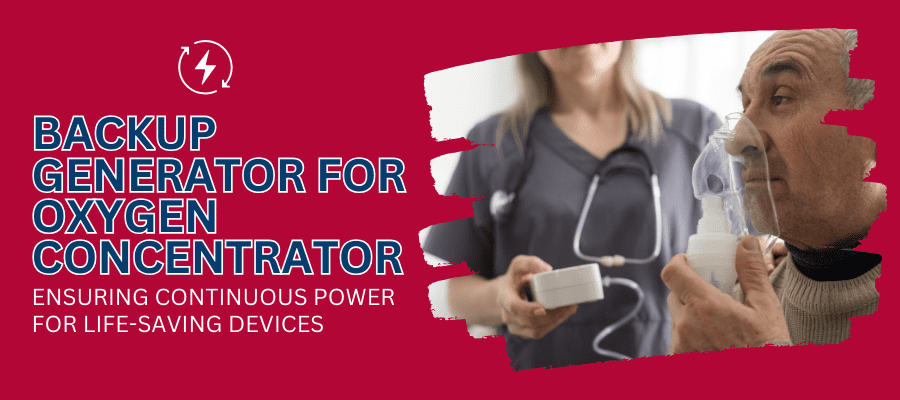
Oxygen concentrators are essential medical devices that provide a steady supply of oxygen to individuals with respiratory conditions. Even a brief power outage can have serious consequences for those dependent on these devices. Therefore, having a reliable backup generator is not just a luxury; it’s a necessity.
The Importance of Backup Power for Oxygen Concentrators
Oxygen concentrators are designed to run continuously, providing the necessary oxygen flow to the patient. In the event of a power outage, the concentrator would stop functioning, cutting off the supply of oxygen. This can lead to severe health complications, particularly for those with chronic respiratory conditions. A backup generator ensures that the concentrator remains operational even during power outages, offering peace of mind and, most importantly, safety.
Power outages can happen for various reasons, including severe weather, accidents, or issues with the power grid. In regions where power outages are common, the risk to those using oxygen concentrators is significantly higher. A backup generator provides an immediate and automatic switch to a secondary power source, ensuring that the oxygen concentrator—and any other essential medical devices—continue to function without interruption.
Choosing the Right Generator
When selecting a backup generator for an oxygen concentrator, it’s crucial to consider the power requirements of the device. Most oxygen concentrators require between 300 to 600 watts to operate. However, when choosing a generator, selecting one that offers more power than needed is advisable. This allows the generator to simultaneously power other critical devices in the home or facility, such as lights, refrigerators, or additional medical equipment.
Generators come in various types, including portable and standby models. Portable generators are more affordable and can be moved as needed, but they typically require manual start-up and fueling. On the other hand, standby generators are permanently installed outside the home and automatically turn on during a power outage. While more expensive, standby generators offer the advantage of seamless power transition and can run for extended periods.
For a more detailed understanding of the different types of generators and their applications in critical environments, the article on Generators and Transfer Switches for Mission Critical Facilities offers valuable insights.
Installation and Safety Considerations
Proper backup generator installation is essential to ensure its safe and efficient operation. The generator should be installed in a well-ventilated area, preferably outdoors, to prevent the build-up of carbon monoxide, a dangerous byproduct of fuel combustion. It’s also important to ensure that the generator is properly connected to the home or facility’s electrical system, which typically requires the services of a licensed electrician.
Regular maintenance is critical for those using portable generators. This includes checking the oil levels, ensuring the fuel supply is fresh, and running the generator periodically to keep it in good working condition. Standby generators also require regular maintenance, though many models come with automatic self-checks that alert the owner when service is needed.
Understanding your generator’s maintenance needs and capabilities is crucial for ensuring it performs reliably when needed. For more information on maintaining and selecting the right generator, refer to the article on Continuous, Prime, and Backup Generators.
Additional Considerations for Oxygen Concentrator Users
In addition to having a backup generator, it’s advisable for oxygen concentrator users to have a secondary oxygen supply, such as portable oxygen tanks, that can be used during a power outage or if the generator fails. This secondary supply acts as a fail-safe, ensuring that the individual continues to receive the necessary oxygen flow.
Moreover, it’s important to have a plan in place for extended power outages. This could include knowing the location of the nearest hospital or emergency center that can provide power and medical support, ensuring the generator has enough fuel to last through the outage, and having a contact list of family members or caregivers who can assist if needed.
Final Thoughts
A backup generator is an essential investment for those who rely on oxygen concentrators. By ensuring a continuous power supply, a generator provides not only peace of mind but also the assurance of safety during power outages. Selecting the right generator, understanding its maintenance requirements, and having a comprehensive emergency plan in place can make all the difference in maintaining health and well-being during unforeseen events.
For more detailed guidance on choosing and maintaining a backup generator for oxygen concentrators and other critical medical equipment, explore the resources available on Global Generator Supply.