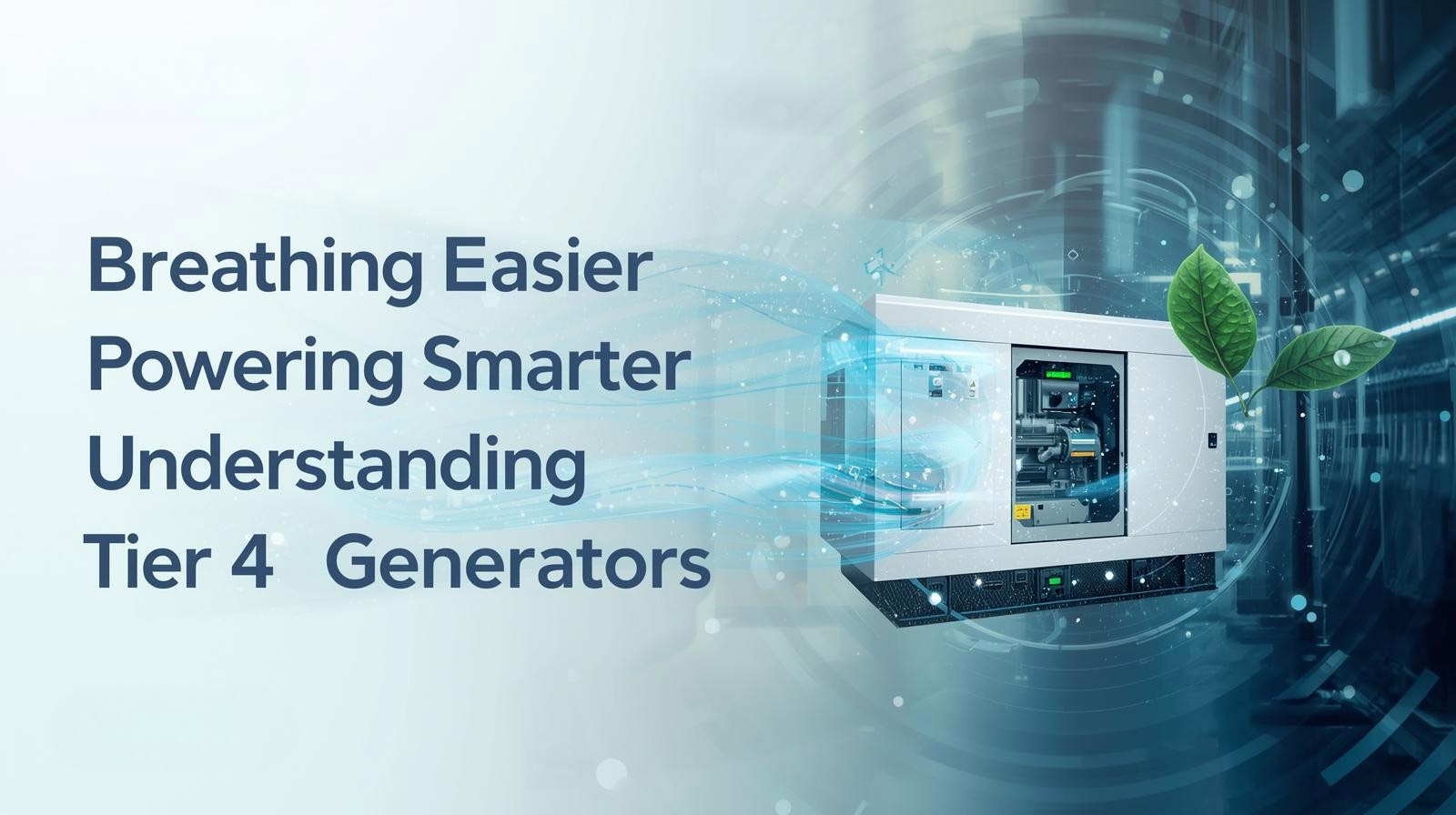
Breathing Easier Powering Smarter Understanding Tier 4 Generators
Navigating the world of power solutions can be daunting. Tier 4 generators are at the forefront of this evolving landscape. They promise cleaner, more efficient energy for industrial operations.
Understanding these generators is crucial for plant managers. They offer a path to reduced emissions and compliance with strict environmental standards.
Tier 4 engines incorporate advanced technologies, making them a smart choice for sustainable practices. They not only meet regulatory demands but also enhance operational efficiency.
Choosing the right generator can significantly impact your facility’s performance. It’s about more than just power; it’s about smarter, greener energy solutions.
This guide will help you grasp the essentials of Tier 4 diesel technology.
What Are Tier 4 Generators? The Basics Explained
Tier 4 generators represent a leap in environmentally friendly power generation. These generators are engineered to comply with the EPA’s stringent emissions regulations. The focus is on reducing harmful pollutants like nitrogen oxides and particulate matter.
At the core of Tier 4 engines is advanced technology. This includes systems such as selective catalytic reduction and diesel particulate filters. These innovations ensure cleaner exhaust and more efficient fuel usage.
Understanding the terminology is crucial for informed decision-making. Here are key components often mentioned:
- Selective Catalytic Reduction (SCR)
- Diesel Particulate Filter (DPF)
- Advanced control systems
Tier 4 generators are integral to industries prioritizing sustainability. Their use demonstrates a commitment to cleaner and smarter power solutions.
How Tier 4 Engines Work: Technology Behind Cleaner Power
The innovation within Tier 4 engines centers around emissions reduction. These engines utilize cutting-edge technology to significantly decrease pollutants. This includes both nitrogen oxides and particulate matter.
A main feature is the selective catalytic reduction (SCR) system. SCR utilizes a urea solution to reduce nitrogen oxide emissions. This chemical reaction transforms harmful gases into harmless nitrogen and water.
Another vital component is the diesel particulate filter (DPF). The DPF captures and reduces particulate matter. This ensures that fewer soot particles are released into the air.
Tier 4 engines also include:
- Exhaust Gas Recirculation (EGR)
- Turbocharging technology
- Advanced electronic controls
Understanding these technologies aids in appreciating the environmental impact. Together, they provide cleaner, more efficient power solutions. For industrial plants, this means sustainable operations with reduced environmental footprint.
EPA Standards and Compliance: Why Tier 4 Matters
The Environmental Protection Agency (EPA) sets stringent standards for emissions. Tier 4 generators adhere closely to these regulations. This compliance is crucial for reducing environmental impact.
The Tier 4 standards focus on minimizing harmful emissions. Key pollutants such as nitrogen oxides and particulate matter are targeted. Compliance with these standards supports improved air quality.
Achieving Tier 4 compliance involves advanced engine technologies. These innovations drive the cleaner operation of diesel engines. The benefits include:
- Reduced greenhouse gas emissions
- Lowered operational costs from fuel efficiency
- Enhanced public and community health
For industrial plant managers, meeting EPA standards is essential. It avoids potential fines and demonstrates corporate responsibility. Embracing Tier 4 can bolster both operational and environmental goals.
Key Benefits for Industrial Plant Managers
Tier 4 generators offer clear advantages for industrial operations. Improved air quality tops the list, aligning with green initiatives. Cleaner energy production is a major benefit.
Operational efficiency is another key perk. Advanced technologies in Tier 4 engines cut fuel consumption. This means lower costs and higher efficiency for plants.
Reliability is crucial in industrial settings. Tier 4 generators provide stable and dependable power. They minimize the risk of unplanned downtime.
Adopting Tier 4 diesel generators boosts a plant’s reputation. It underscores a commitment to sustainability and innovation. Key benefits include:
- Decreased emissions
- Reduced fuel costs
- Enhanced reliability
- Improved community relations
Sizing and Selecting the Right Tier 4 Generator
Choosing the correct Tier 4 generator requires careful planning. Proper sizing ensures efficient performance and cost-effectiveness. Mistakes can result in inadequate power supply or unnecessary expenses.
Begin by assessing your facility’s power needs. Calculate peak demand and consider additional capacity for future growth. Factor in specific equipment requirements and operational patterns.
Consult with experts to avoid guesswork. Professionals can guide you in matching generator capacity to your exact load requirements. This minimizes risks of over- or under-sizing.
Remember, one size does not fit all. Consider:
- Facility power demand
- Peak usage times
- Future expansion plans
- Specific equipment needs
Each point is crucial to selecting a generator that supports your plant’s continuous operations effectively.
Integrating Tier 4 Generators Into Your Power System
Successfully integrating Tier 4 generators requires strategic planning. Consider your existing infrastructure to ensure seamless compatibility. This avoids costly modifications and downtime.
Analyze your current power network to identify integration points. Pay attention to load patterns and existing equipment. A mismatched system can lead to inefficiency.
Collaborate with experts for a smooth transition. They can pinpoint potential challenges and offer solutions. Important factors include:
- Compatibility with existing systems
- Load synchronization
- Space availability
- Safety and compliance issues
By thoroughly evaluating these components, you can ensure that the Tier 4 generators enhance system reliability without interruption.
Maintenance, Training, and Operational Best Practices
Regular maintenance keeps your Tier 4 generators running efficiently. Schedule routine checks to extend equipment life and avoid unexpected failures. This practice minimizes downtime and repair costs.
Empower your staff with proper training. Well-trained personnel ensure safe and efficient operation. They can swiftly address minor issues before they escalate. With comprehensive knowledge, they become assets to your team.
Adhere to these operational best practices to maximize efficiency:
- Schedule preventive maintenance regularly
- Develop a training program for all operators
- Monitor performance metrics consistently
Implementing these strategies reduces operational hiccups and supports a robust power supply. Proper maintenance and training lead to sustained performance and peace of mind.
They offer a diverse range of Tier 4 generator models. Their products are suitable for various industrial applications.
Consider these highlights when exploring their offerings:
- A wide selection tailored to different needs
- Reputable service and customer support
- Commitment to quality and efficiency
Choosing Global Generator Supply means investing in reliable and sustainable power solutions. Their expertise ensures that your power requirements are met effectively.
The Future of Power: Sustainability and Corporate Responsibility
The future of power generation is rooted in sustainability. Tier 4 generators play a key role in reducing emissions. This shift supports environmental goals.
Companies embracing Tier 4 technologies show true commitment to corporate responsibility. They enhance their green image and contribute positively to community health. Sustainability is more than a trend; it’s a priority.
Conclusion: Making the Smart Move to Tier 4 Diesel
Transitioning to Tier 4 diesel generators secures operational efficiency and boosts environmental sustainability. Embrace this technology to lead with clean, reliable power. Make the smart choice today.