
Data Center Backup Power: Generators, Transfer Switches and Redundancy
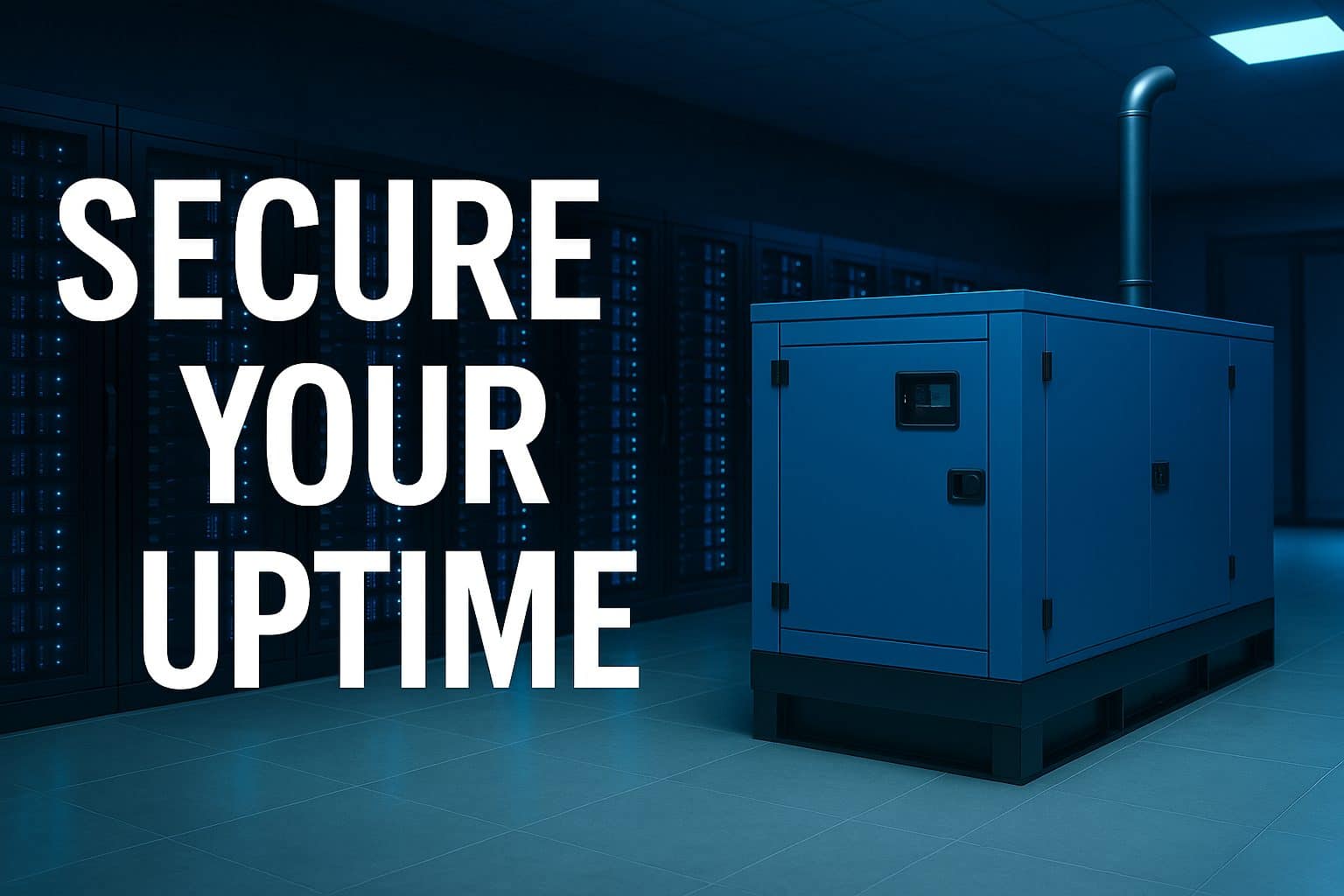
For a data center, keeping the power on without interruption comes before almost everything else. Digital transformation is speeding up and organizations lean on data centers more heavily than ever, so backup power has become essential. This article looks at the backup power options that work well for data centers and why they matter for keeping a facility online.
Why Data Centers Need Backup Power
Modern digital infrastructure rests on data centers. They hold critical data and applications in large numbers, which businesses in many sectors cannot work without. That importance also makes them vulnerable: an outage caused by a natural disaster or an infrastructure failure can mean severe data loss and long operational downtime. Building in strong backup power is therefore a requirement, not a choice.
The Role of Backup Generators
A backup generator sits at the center of a data center's power reliability plan. It is designed to take over the supply during an outage without disruption, so the business can keep operating.
Main Generator Types
- Diesel generators: Valued for reliability and efficiency, diesel units are what most data centers choose. They deliver strong power output and stay in service for many years.
- Gas generators: Less widespread than diesel, gas generators produce cleaner emissions and suit facilities aiming to reduce their environmental impact.
- Bi-fuel generators: These pair the dependability of a diesel engine with the lower emissions that gas offers.
Transfer Switches: An Often Overlooked Component
A transfer switch is central to any backup power system. Among the many advantages of fitting a transfer switch, it links the main power source with the backup generator. When the utility supply fails, the switch moves the load to the generator automatically, so the changeover is smooth and service continues.
What to Weigh When Planning Data Center Backup Power
Several factors need attention when choosing backup power if the system is to perform well and reliably.
Capacity and Room to Grow
The backup system has to cover the power the data center needs now and the power it will need later. Plan for a system that can be scaled up as the facility expands, so you are ready for future growth as well as today's load. For an example of a large unit, see what a 1000 kW generator can handle.
Equipment Sizing
Getting the size right matters, because both under- and over-provisioning cause inefficiency and can even lead to equipment failure. It calls for a thorough assessment of the facility's power requirements that takes account of redundancy needs and peak loads.
Emissions and Efficiency
Reliability comes first, but efficiency and environmental impact also deserve attention. Choosing generators equipped with advanced emissions controls keeps the environmental impact down without giving up operating efficiency.
Servicing and Testing
Servicing and testing backup power systems regularly is necessary if they are to work properly when called on. That means routine inspections, load tests and replacing worn components in good time.
Putting a Backup Power System in Place
A dependable backup power system needs a planned approach. These steps help it fit smoothly into your facility:
Review Your Existing Infrastructure
Start with a review of your existing power infrastructure. Look for weak points and room for improvement. The review gives you a clear view of what you need and shapes the choice of backup equipment.
Work With Specialists
Specialists with field experience can recommend a setup that fits your specific requirements. Send us your requirements and our team can help you choose.
Build In Redundancy
Every backup power plan needs redundancy. An N+1 or 2N configuration adds a further layer of protection, so power remains available even when one component fails.
Add Advanced Monitoring
Advanced monitoring gives a real-time view of the backup power system, which supports proactive maintenance and lets you respond quickly when an issue arises.
Train and Drill Regularly
Make sure your team knows how to operate the backup power system. Regular training and emergency drills prepare people to act correctly during a real outage.
Conclusion: Protecting Future Operations
Backup power is an essential part of how any data center operates. Dependable generators and transfer switches, backed by solid maintenance and monitoring routines, let a data center keep its services running and protect both operations and reputation.
With a well-planned strategy for backup power, you can protect your uptime and prepare your operations for unexpected power disruptions. See generators suited to data center use.


