Service Contracts: What Government Buyers Should Look For
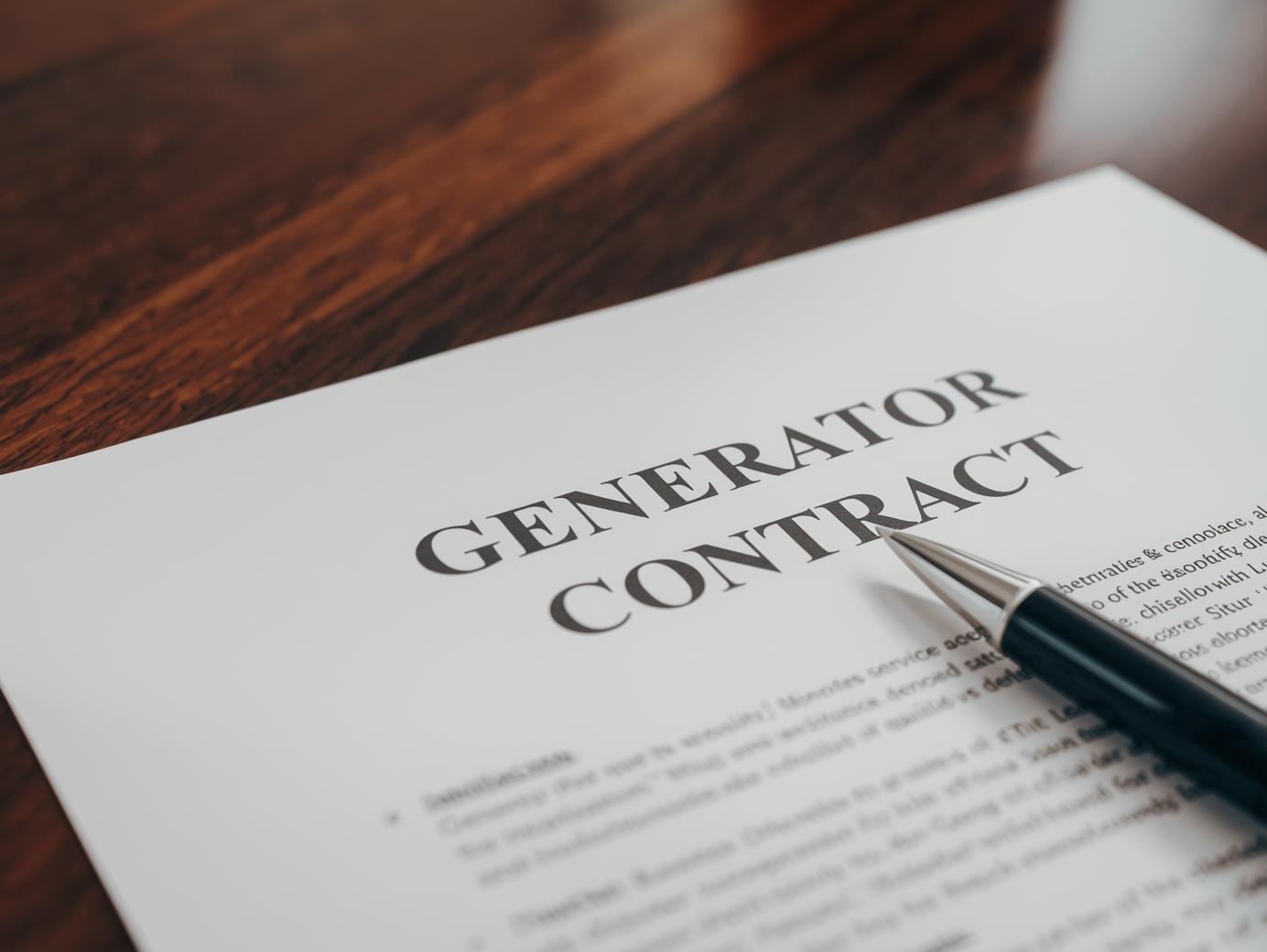
For government agencies and public-sector organizations, backup power systems are critical infrastructure. That’s why understanding generator service contracts is essential for preventing unexpected generator failures during an outage that can disrupt essential services, compromise safety, and create costly operational risks.
That’s why selecting the right generator service contract is just as important as selecting the generator itself. A well-structured service agreement ensures compliance, reliability, predictable budgeting, and long-term asset protection.
This guide outlines what government buyers should look for when evaluating generator service contracts.
Why Service Contracts Matter in Government Applications
Government facilities often operate under stricter requirements than private-sector sites, including:
- Life-safety and mission-critical loads
- Regulatory and code compliance obligations
- Budget planning and fiscal accountability
- Public procurement transparency
- Long asset lifecycles
A comprehensive service contract helps ensure generators are maintained, tested, documented, and ready when they are needed most.
What Is a Generator Service Contract?
A generator service contract is a formal agreement covering routine maintenance, testing, inspections, and support for standby or prime power systems.
Depending on scope, contracts may include:
- Preventative maintenance visits
- Load bank testing
- Battery testing and replacement
- Fuel system inspection
- Emergency response services
- Compliance documentation and reporting
For government buyers, clarity and consistency of scope are essential.
Key Elements Government Buyers Should Evaluate
1. Preventative Maintenance Scope
At a minimum, a service contract should clearly define:
- Maintenance frequency (monthly, quarterly, semi-annual, annual)
- Oil, filter, and fluid service intervals
- Inspection of belts, hoses, wiring, and controls
- Cooling and exhaust system checks
Preventative maintenance reduces unplanned outages and extends equipment life.
Tips for Generator Oil Changes and Maintenance
2. Testing & Verification Procedures
Routine testing verifies that generators will perform under real conditions.
Government buyers should look for:
- Scheduled no-load and load testing
- Load bank testing where required
- Transfer switch testing
- Documentation of test results and deficiencies
Testing protocols should align with applicable codes and facility requirements.
3. Battery Testing & Replacement Policies
Battery failure remains one of the most common causes of generator startup issues.
Service contracts should specify:
- Battery testing intervals
- Replacement thresholds
- Cold-weather readiness measures
- Documentation of battery condition
Clear battery policies help prevent avoidable failures during outages.
Internal link suggestion: Generator Battery Testing & Replacement
4. Emergency Response & Priority Service
For government facilities, response time matters.
Important questions to ask:
- Are emergency response times defined in writing?
- Is priority service available for critical facilities?
- Are technicians available during severe weather events?
- Is after-hours or 24/7 support included?
Defined response expectations reduce uncertainty during emergencies.
Emergency Generator Service & Support
5. Compliance, Reporting & Documentation
Public-sector facilities often require detailed service records.
A strong service contract should include:
- Maintenance and testing reports
- Deficiency tracking and recommendations
- Compliance documentation for audits or inspections
- Clear record retention policies
Documentation supports regulatory compliance and internal accountability.
6. Parts, Consumables & Coverage Clarity
Government buyers should understand exactly what is — and isn’t — included.
Contracts should clearly define:
- Included parts and consumables
- Exclusions and wear-item policies
- Labor coverage
- OEM vs equivalent replacement parts
Clear definitions help avoid budget surprises and procurement disputes.
7. Asset Lifecycle & Long-Term Planning
Generators are long-term infrastructure assets.
Service contracts should support:
- Condition-based maintenance planning
- Upgrade and retrofit recommendations
- End-of-life forecasting
- Scalability for facility expansion
Long-term planning protects capital investment and simplifies future procurement.
Common Pitfalls to Avoid
Government buyers should be cautious of service contracts that:
- Lack clearly defined scopes of work
- Do not specify testing procedures
- Exclude documentation or reporting
- Offer vague emergency response terms
- Focus only on minimal compliance rather than reliability
A low-cost contract that fails during an outage is far more expensive in the long run.
Service Contracts vs Time-and-Materials Support
| Service Contract | Time-and-Materials |
| Predictable budgeting | Variable costs |
| Scheduled maintenance | Reactive service |
| Defined scope & reporting | Limited documentation |
| Improved reliability | Higher failure risk |
| Simplified compliance | Increased oversight burden |
For most government facilities, structured service contracts provide better control and accountability.
Choosing the Right Service Partner
Beyond contract terms, government buyers should consider:
- Experience supporting public-sector facilities
- Familiarity with applicable codes and standards
- Availability of trained, certified technicians
- Geographic coverage and response capability
A service partner should function as a long-term infrastructure support provider, not just a repair vendor.
Reliable Power Requires Ongoing Commitment
Generators protect essential public services — but only if they are properly maintained and supported. A well-designed service contract ensures readiness, compliance, and confidence when outages occur.
For government buyers, the right service agreement is not an administrative formality; it’s a critical risk management decision.
We understand that downtime impacts operations, which is why our service network is built to keep your power systems running efficiently and in compliance.
Need service or support for your Triton Power generator?