
Industries That Cannot Run Without Backup Power
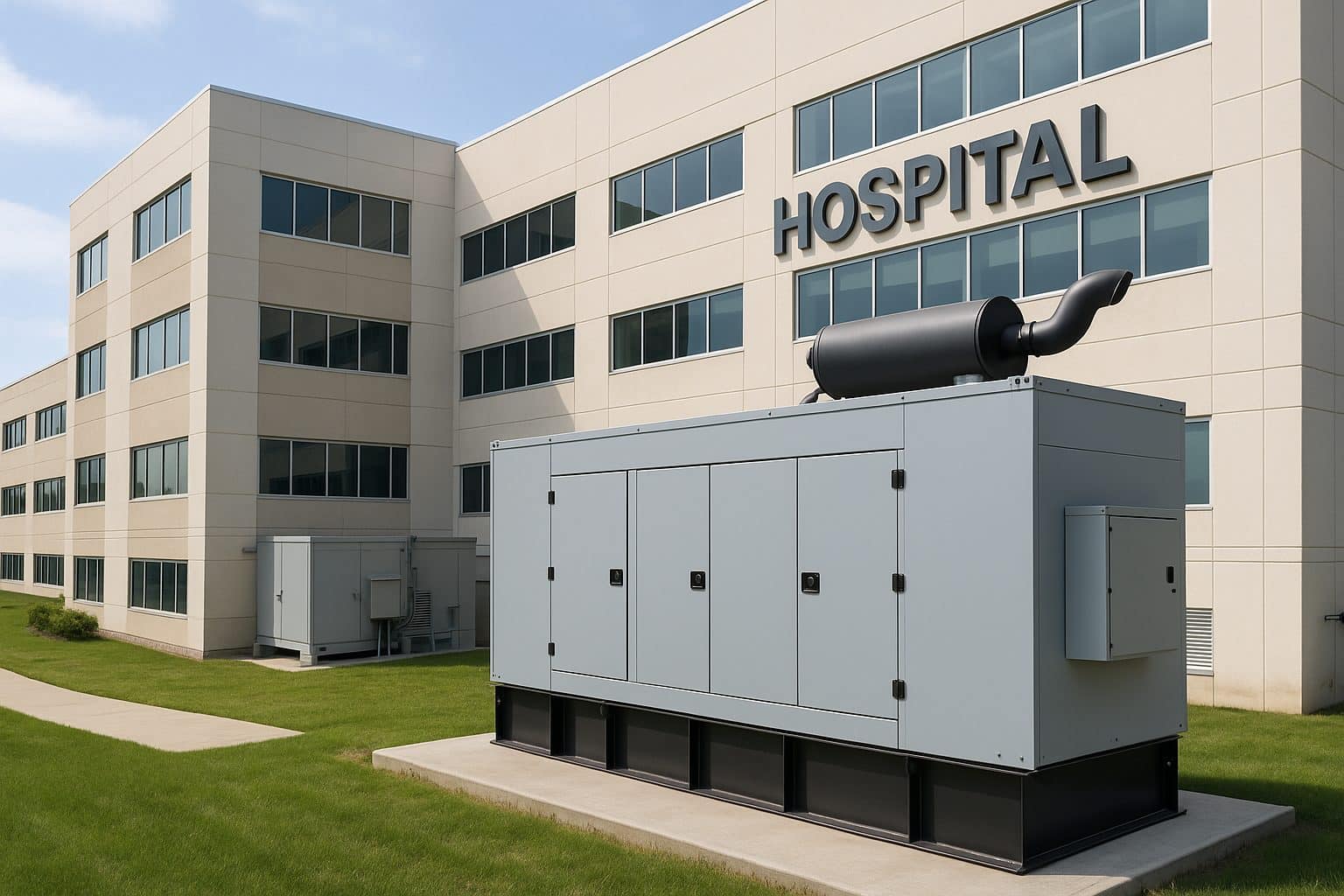
Industry is changing fast, yet keeping operations stable and continuous still comes first. Companies everywhere are under growing pressure to keep things running smoothly, and dependable backup power is a big part of making that possible. Whether the answer is a silent generator, a diesel generator or a large industrial unit, the demand for a supply that never drops out has rarely been greater.
Why Backup Power Matters So Much
In some industries, losing power for even a moment can lead to disaster, and backup systems are what those operations stand on. The main utility supply handles daily work, while the backup equipment waits in the background to cover outages no one saw coming. These systems, from advanced industrial units to EPA-compliant generators, are built to take over automatically when the main supply fails.
Automatic Changeover Keeps Operations Going
What makes a backup system effective is how cleanly it hands the load from the main source over to the standby unit. That handover relies on capable equipment, such as advanced monitoring and automatic transfer switches, which sense an outage and start the backup system. Because these systems respond precisely, critical work keeps going and the chance of downtime drops.
What Outages Cost
A loss of power can hit a business hard, both in day-to-day operations and in profits further down the line. Companies can be penalized for late deliveries, lose perishable goods and face higher running costs when equipment is damaged. A well-designed backup system reduces these risks and acts as a safety net that protects income as well as reputation.
Newer Technology in Backup Systems
Advances in technology have made backup power systems far more dependable and efficient. Remote monitoring and predictive maintenance, for example, let operators manage their systems ahead of problems, so the equipment is always prepared to run. Beyond making operations more efficient, these tools lengthen the life of backup units and improve the return on the investment.
Sectors Where Backup Power Is Essential
Healthcare: Seconds Matter
For hospitals and clinics, dependable power is not optional. They need it without a break to keep life-support systems running, to keep medicines refrigerated and to operate critical surgical equipment. Silent generators and diesel units installed in this sector keep things running smoothly, protect patients and preserve sensitive medical processes.
Medical Equipment Patients Depend On
Critical medical devices, including ventilators, monitors and surgical equipment, depend on a steady supply of power. Any interruption can put patient care at risk, which is why healthcare settings cannot do without backup power. With these systems in place, life-saving devices keep working, and both clinicians and patients can feel reassured.
Keeping Medications Safe in Storage
Medicines must be held within tight temperature limits, and that cannot happen without consistent power. Backup systems stop expensive medications from spoiling and going to waste, so they stay effective for treating patients. Protecting these supplies lets healthcare facilities keep delivering high-quality care.
Staying Operational During Emergencies
When an emergency strikes, whether a natural disaster or a sudden grid failure, healthcare facilities still have to run at full capacity. Backup power gives them the resilience to cope with surges in patients and keep critical functions going. These systems are central to disaster planning and help clinicians respond well and save lives.
Manufacturing: Keeping Production Running
In manufacturing, every hour of downtime is revenue lost. Industrial generators and large backup systems are a core part of keeping plants running through outages. They keep production lines moving, limit disruption and help protect costly equipment from damage.
Avoiding Production Delays
When an outage holds up production, the financial losses can be serious and supply chains can be thrown off. Backup power cuts these risks by keeping manufacturing processes running. That continuity matters for hitting production targets and staying competitive.
Protecting Expensive Machinery
Many factories house costly machines that need steady power to work properly. Fluctuations in power can harm sensitive equipment and lead to expensive repairs or replacements. A backup system supplies stable power, protecting these assets and helping them last longer.
Keeping Workers Safe
An outage on a factory floor can put workers in danger, for example through machinery that malfunctions or lighting that goes dark. Backup power keeps safety procedures working and lowers the chance of injuries and accidents. By protecting the people on site, these systems help create a safer, more productive workplace.
Data Centers: Guarding Digital Infrastructure
Modern companies run on data centers, which hold critical data and support essential online services. A loss of power there can cause lost data, service outages and weakened security. Dependable backup systems, EPA-compliant generators among them, are vital for keeping data centers running continuously and for protecting both the integrity of data and the availability of services.
Keeping Data Intact and Secure
For a data center, the integrity and security of data come first, and even a brief power disturbance can corrupt or wipe out large amounts of it. Backup power provides the stability that keeps sensitive information intact and accessible. That dependability is key to keeping customer trust and meeting data protection regulations.
Keeping Services Online
Cloud computing, e-commerce platforms and many other services run through data centers, and all of them need to stay available around the clock. Backup power for data centers prevents service outages so the businesses that depend on them can keep working. That continuity is essential for keeping customers happy and staying competitive online.
Cutting the Cost of Downtime
Outages at a data center can be very expensive, bringing lost revenue and harm to the brand. Backup power reduces these risks by giving operations a dependable source, so work carries on as normal. By keeping downtime costs down, these systems give data center operators a strong return on their investment.
Financial Services: Protecting Every Transaction
In finance, keeping transactions accurate and continuous is essential. An outage can interrupt financial exchanges and cause heavy losses as well as damage to reputation. Backup systems in this sector are carefully engineered so operations carry on without a break, protecting both financial assets and the trust of customers.
Keeping Transactions Flowing
Financial transactions depend on split-second timing, and any delay can carry serious financial consequences. Backup power keeps transactions moving smoothly and preserves the integrity of each exchange. That reliability is crucial for customer confidence and for avoiding regulatory penalties.
Securing Sensitive Financial Data
Financial institutions hold enormous amounts of sensitive data that must be shielded from loss and unauthorized access. Backup power provides the stability needed to keep that information secure, helping prevent data breaches and supporting compliance with industry regulations. Keeping this data safe makes financial services more secure and resilient overall.
Building Customer Trust
Trust underpins the financial industry, and any disruption can harm reputations and relationships with clients. Backup power keeps financial services running, giving customers the consistency and reliability they expect. Stronger trust and satisfaction in turn help the business succeed over the long term.
How Dependable Backup Systems Work
A backup system earns its keep by shifting the load off the primary source and onto the standby unit. That job falls to automatic transfer switches working with advanced monitoring, which notice when the power fails and bring the backup equipment online.
Silent Generators: Power Without the Noise
Silent generators have changed what backup power can look like, delivering strong output while keeping noise to a minimum. They fit settings where noise is a problem, such as healthcare facilities and data centers in cities. Even though they run quietly, they are engineered to provide dependable, high-capacity power and keep operations running.
Noise Reduction Technology
Advanced sound-dampening technology keeps the acoustic output of silent generators low, so they suit places where noise matters. This makes life more comfortable for the people inside and lessens the effect of a running generator on nearby communities. Quiet but powerful, silent generators keep operations going without sacrificing environmental considerations.
High Output From a Quiet Unit
Quiet as they are, silent generators can still deliver high power output. That ability lets them serve a broad mix of applications, covering everything from a small business up to a large industrial plant. Their versatility means they can handle very different power demands while staying efficient and dependable.
The Environmental Upside of Quiet Operation
Running quietly brings real environmental benefits: less noise pollution and a more sustainable power solution overall. It lines up with the social responsibility goals many companies set and makes backup power more sustainable as a whole. Choosing silent generators is one way a business can show it takes environmental stewardship seriously.
Diesel Generators: Dependable Workhorses
Diesel generators are still a mainstay of industrial power, valued for their durability and efficiency. They can produce large amounts of power, which suits big industrial applications. Because they are rugged and dependable, industries that cannot accept any power interruption often prefer them.
Built to Last
Diesel units are prized for toughness and a long service life, which makes them an economical backup choice. Their sturdy build and dependable performance let them handle demanding conditions and supply consistent power when it is needed. Over time, that durability means lower maintenance costs and a better return on investment.
Fuel Economy and Running Costs
Because diesel generators use fuel efficiently, they are an economical choice for long-term power. They get more energy out of each unit of fuel, which lowers operating costs and makes them a financially sound backup option. Combined with high power output, that efficiency makes diesel attractive for industries with heavy energy demands.
Flexible Across Applications
Diesel generators are versatile and can support many industries and operating needs. From remote construction sites to data centers in cities, they deliver dependable power for very different requirements. Since they can be configured for specific operational demands, their value as a backup solution grows.
Why EPA Compliance Matters
With environmental awareness growing, meeting EPA regulations is essential. EPA-compliant generators are built to satisfy strict environmental standards, cutting emissions and reducing the ecological footprint of backup power. Compliance keeps a business within legal requirements and also supports its sustainability goals.
Cleaner Air Through Emissions Standards
Meeting EPA requirements means backup power systems satisfy demanding environmental standards, which cuts harmful emissions and supports cleaner air. Businesses that choose EPA-compliant generators demonstrate environmental responsibility and a commitment to regulatory compliance. Sticking to these standards supports sustainable practices and strengthens a company's reputation.
Supporting Sustainability Goals
Corporate sustainability goals put growing weight on reducing environmental impact and adopting sustainable practices. EPA-compliant generators help meet those aims by offering a cleaner power source that matches company values. Bringing these generators into their operations lets businesses move their sustainability plans forward and do their part for a healthier planet.
Better Relations With the Community
Running EPA-compliant generators can improve a company's standing with its neighbors by showing care for the environment. Lower emissions and cleaner operations help businesses get along well with stakeholders and the communities around them. That focus on sustainability can lift how the brand is perceived and earn stronger community support.
Planning a Backup Power Installation
Putting a dependable backup system in place means weighing several factors, including power needs, environmental conditions and regulatory compliance. Getting the equipment size right is essential so the system can carry the facility's load without being overloaded or falling short.
Why Sizing Matters
Sizing the equipment correctly is the foundation of an effective backup system. A unit that is too large burns fuel needlessly and raises running costs, while one that is too small may not keep up during a critical outage. Choosing the right generator size requires a careful review of power needs that accounts for peak demand and operating priorities.
Measuring Power Requirements
Measuring requirements accurately means adding up a facility's total energy use, covering both critical and non-critical loads. That review shows what generator size will keep operations going through an outage. Once they understand their power needs, businesses can choose generators that perform dependably without needless expense.
Weighing Cost Against Capacity
Choosing a backup system involves striking a balance between cost and capacity. Bigger generators deliver more power, but they also cost more to buy and use more fuel. Businesses have to weigh these points to find a setup that covers their power needs and stays affordable, so the system delivers value without overspending.
Tailoring the System to the Site
Each facility has its own power requirements, so backup solutions need to be customized. Matching equipment size to specific operating demands lets businesses get the most performance and efficiency from the system. Tailoring it this way ensures the backup system suits its intended use and works effectively and dependably.
Keeping the System Ready
Backup power systems need regular maintenance and testing so they are ready to run. Scheduled inspections, load tests and system diagnostics reveal problems before they turn into failures, so the equipment performs when it is called on.
Routine Inspections
Regular inspections keep backup systems dependable and performing well. Technicians check parts for wear, make sure fuel and coolant levels are sufficient and confirm the system is sound. Routine inspections help businesses avoid surprise failures and keep the backup system ready to go.
Testing Under Load
Load testing is a key part of backup system maintenance: it recreates real-world conditions to confirm the equipment performs under load. These tests show that a generator can carry the required load when a real outage comes, which builds confidence in its reliability. Running load tests regularly lets businesses find and fix issues early and lowers the risk of a failure.
Predictive Maintenance
Predictive maintenance practices use technology to track the condition of backup equipment and anticipate failures. By studying the readings that sensors and monitoring equipment collect, businesses can spot trends and deal with problems before they cause outages. Working ahead like this makes the system more dependable and extends the life of the backup equipment.
Conclusion: Backup Power Is a Necessity
When keeping operations running is critical, dependable backup power is a must. Silent generators in hospitals, diesel units in factories and similar systems across many industries keep operations going without interruption. By understanding what each sector needs and installing sturdy, compliant power systems, industries can protect themselves from unpredictable outages and keep their operations resilient.
A Safeguard Against the Unexpected
Backup power is a critical defense against unpredictable outages. As a dependable source of power, it lets businesses keep running smoothly no matter what happens outside. That resilience is vital for productivity and competitiveness in a fast-changing industrial world.
Stronger Operational Resilience
Resilience is a central concern for businesses, especially in industries that depend on continuity. Backup power strengthens it by supplying dependable power for critical functions. Investing in reliable backup solutions protects a business against power-related risks and supports success over the long run.
Reliability and Sustainability Together
Installing backup power shows a commitment to both reliability and sustainability. When businesses choose EPA-compliant generators and follow sound maintenance and operating practices, they show they manage power responsibly. That commitment strengthens their reputation, supports wider sustainability goals and contributes to a more resilient, sustainable future.


