
How to Select an Industrial Generator
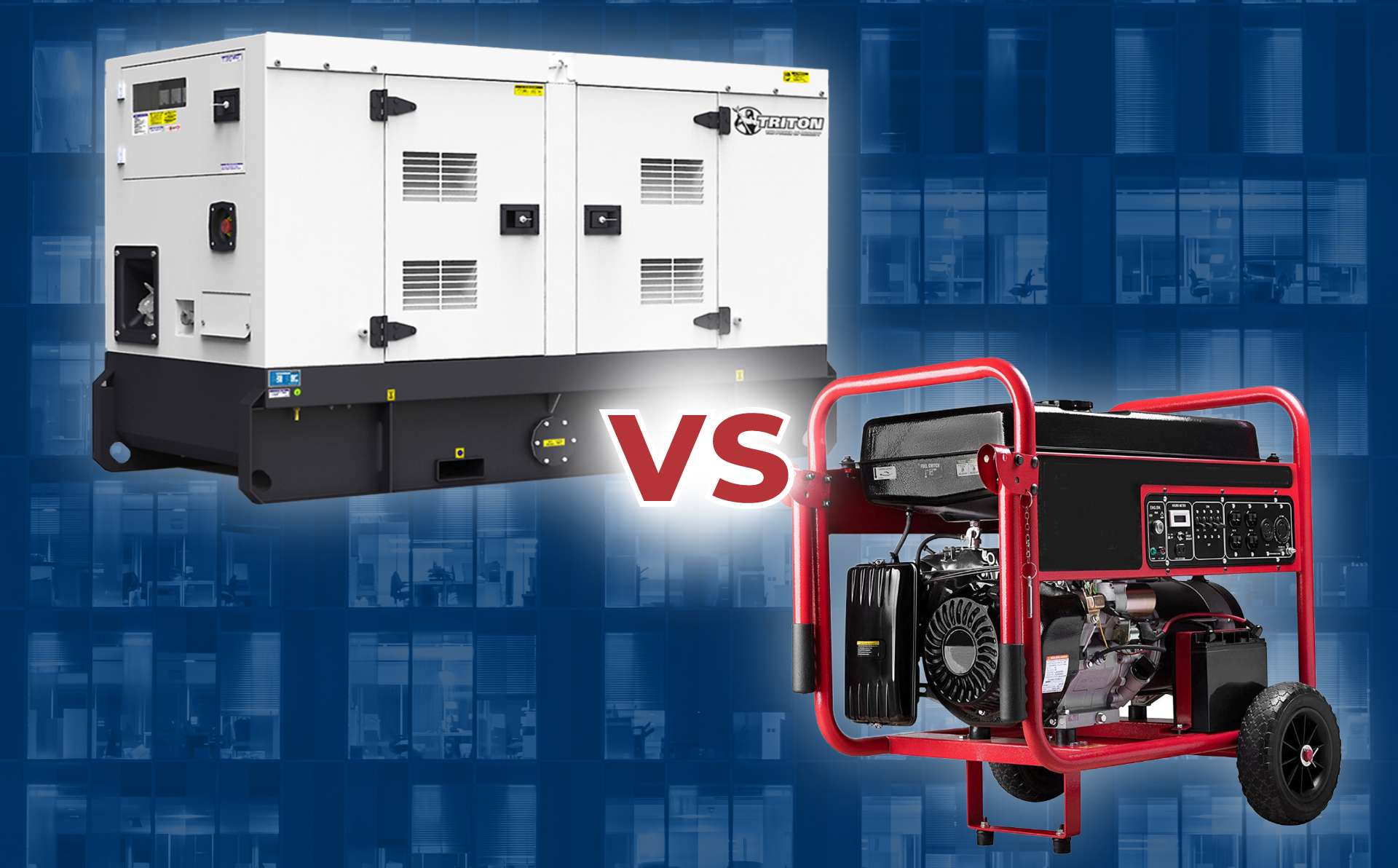
Buying an industrial generator is a major commitment for any company. Critical operations lean on electricity more heavily all the time, so a backup source is needed to keep the business going through unplanned outages, or to act as a dependable supply that runs a facility outright. The difficulty is that commercial generators come in many types, and sorting through them to find the right industrial unit can feel daunting.
This guide walks through the main points to weigh as you pick a generator for your business: power capacity, fuel, portability, upkeep and more. The aim is to give you and your team enough information to decide with confidence and to narrow the field to commercial generators that fit your requirements.
Working Out How Much Power Your Business Needs
Start with capacity: how many watts does your operation actually draw? Generators built for industrial use span a broad spread of outputs, from small units that carry a handful of essential circuits to large sets that can run a whole facility. Knowing your load is what makes sure the unit you buy can keep your operation going.
Sizing your power requirements begins with a careful review of how your business uses electricity, and a certified electrician should carry it out. They will list the equipment and machines that must keep running during an outage, together with the power rating of each, and allow for the surges or spikes that can occur as equipment starts up or while it runs. Leave headroom for growth as well, so the generator can keep pace as your demand changes over the years.
Diesel or Gas: Picking a Fuel
Fuel is the next big decision, and it is worth a close look when you weigh fuel options for an industrial generator. Most industrial units burn diesel, while the smaller sizes can also be had in gasoline. Comparing diesel against gasoline generators comes down to trade-offs, since each side has strengths and weaknesses.
Diesel generators are valued for fuel efficiency and toughness. They are dependable and can run for long stretches without a break, which is why so many businesses choose them when critical work cannot be interrupted. With a long service life and modest upkeep, diesel units tend to cost less over the life of the equipment, though they usually cost more to buy than gas units.
Gas generators, by contrast, are usually cheaper to buy and suit businesses working with tighter budgets. They also tend to be smaller and easier to move, which helps companies that need power in different places. Since they mostly come in lower wattages, a gas unit may not be able to carry an entire business. Over time they can also cost more to fuel, and their output may fall short of what a diesel set delivers.
To decide between the two, look at what your business specifically needs: the capacity required, how long the unit is expected to run and the money available. Talking it through with an experienced generator supplier can help you match the choice to your situation.
Portability and Mobile Power
How much your business moves around also shapes the choice of an industrial generator. Some operations need power that can be hauled from place to place, for example to construction sites or remote locations. For them, a trailer-mounted portable generator is often the right fit. These units are built to be towed, usually carry an integrated fuel tank, and can come with extras such as a voltage selector switch or a distribution panel.
Other businesses have no need to move their generator and would rather have a stationary unit fixed in one spot. Stationary sets are generally bigger, and they have to be installed by professionals and tied into the building's electrical system. Local city, county or state codes may also call for extra approvals, such as a UL2200 listing or CSA certification.
Maintenance and Long-Term Reliability
An industrial generator only stays dependable and efficient if it is looked after properly. Routine service catches small faults before they grow into serious ones, keeps the unit performing as it should and extends its working life.
While comparing models, look at the upkeep each one will need and what that upkeep will cost. Diesel units call for scheduled service, including oil and filter changes, cleaning of the fuel system and periodic test runs, to keep them running smoothly. Gas units need servicing too.
Think as well about how easy it will be to get spare parts and qualified service for the make and model on your list. Equipment from established manufacturers with broad service coverage and easy-to-source parts can be maintained and repaired quickly, which keeps downtime short when an emergency hits.
The Main Kinds of Commercial Generator
Commercial generators come in several kinds, and each has its own strengths. Knowing how they differ makes it easier to land on the one that matches the way your business runs.
- Standby generators: A standby unit senses when utility power drops and starts up on its own to back up your facility. It is normally installed permanently and wired into the building's electrical system, and when paired with an automatic transfer switch it can come online within seconds of an outage. Standby sets suit businesses whose critical operations cannot go without power, and they can run for long periods.
- Prime generators: A prime unit is meant to supply power continuously over long periods, which makes it a fit for businesses that need a dependable source for sustained operations. Compared with standby units they are usually bigger and more heavily built, and they may come with extras like bigger fuel tanks or improved cooling systems. Sites in remote areas, or those with an unreliable utility supply, are where prime generators make the most sense.
- Portable generators: Portable units are generally smaller and easier to move than standby or prime sets. Most sit on trailers so they can be towed between locations, and they serve businesses needing power on a temporary or mobile basis, at events or on construction sites, for example. Typical portable units fall between 10kW and 500kW, although custom-built equipment reaches 2000kW and beyond.
Emissions Tiers for Commercial Generators
Diesel generators release pollutants that can damage the environment and people's health. The Environmental Protection Agency (EPA) controls these emissions through a series of tiered standards.
- Tier 1 generators: These are commonly called export generators. Tier 1 is the least strict level, so a new unit in this tier is barred from installation in the United States; it can, however, be exported to buyers in many regions, South America and the Caribbean among them.
- Tier 2 generators: In certain parts of the United States, Tier 2 engines are currently accepted on generators above 500kW.
- Tier 3 generators: Compared with Tier 2, the Tier 3 standards call for cutting nitrogen oxide (NOx) emissions by 20-40%.
- Tier 4 generators: Built to meet or exceed the strictest emissions limits the EPA sets, Tier 4 units are a cleaner option than anything from the lower tiers. They can work in standby, prime or mobile service.
Keep in mind that the tiers govern new engines only; older engines do not have to be retrofitted. Even so, choosing the newest generation of equipment is generally advised for stronger performance and a smaller environmental footprint.
Commercial Generator Prices and Your Budget
Every business has to weigh what an industrial generator will cost. Prices for commercial generators swing widely with the type, the capacity, the fuel and the brand. Set a budget for the purchase and factor in the longer-term spending on maintenance, fuel and any repairs.
Because of their durability and fuel efficiency, diesel units usually cost more upfront than gas units. Mobile generators generally cost more than standby or prime sets, since you also pay for the trailer and whatever other mobile add-ons the job calls for. In return, they give you a dependable, continuous supply for critical work along with the freedom to move it.
Spending more at the outset on a well-built generator from an established manufacturer can pay off over time through dependable performance, cheaper upkeep and more years of service. Comparing prices and features across several generator suppliers will help you settle on a choice that fits both your budget and your operating needs.
Researching and Comparing Commercial Generators
Industrial generators come in many models, so take the time to research and compare before you settle on the units that suit your business. Beyond the points covered above, these extra steps will help you decide:
1. Look Into the Generator Supplier
Choose a supplier with a solid history of providing well-built generators and responsive customer service. Customer reviews and testimonials are a useful way to judge how dependable a supplier is.
2. Check the Specifications Against Your Needs
Line up the features and specs of each industrial generator model you are considering to confirm they match what your business needs. Look at run time, fuel tank capacity, emissions, noise level and safety features. A business in a noise-sensitive area, for instance, may need a quieter generator to stay within local noise rules.
3. Review Warranty Coverage and Support
Favor generators backed by a thorough warranty and dependable customer support. Solid warranty coverage gives you peace of mind and shields your investment if something goes wrong. Also confirm that spare parts and service providers are easy to find for the brand and model on your list, so maintenance and repairs happen on time.
Getting Help With Your Choice
If you are ready to pick an industrial generator for your business, send your requirements to Global Generator Supply. Our team can help you work through why an industrial generator makes sense for your operation and find a unit that fits your power needs and your budget.


